



US report says M'sian employers escaping trafficking probe, charges
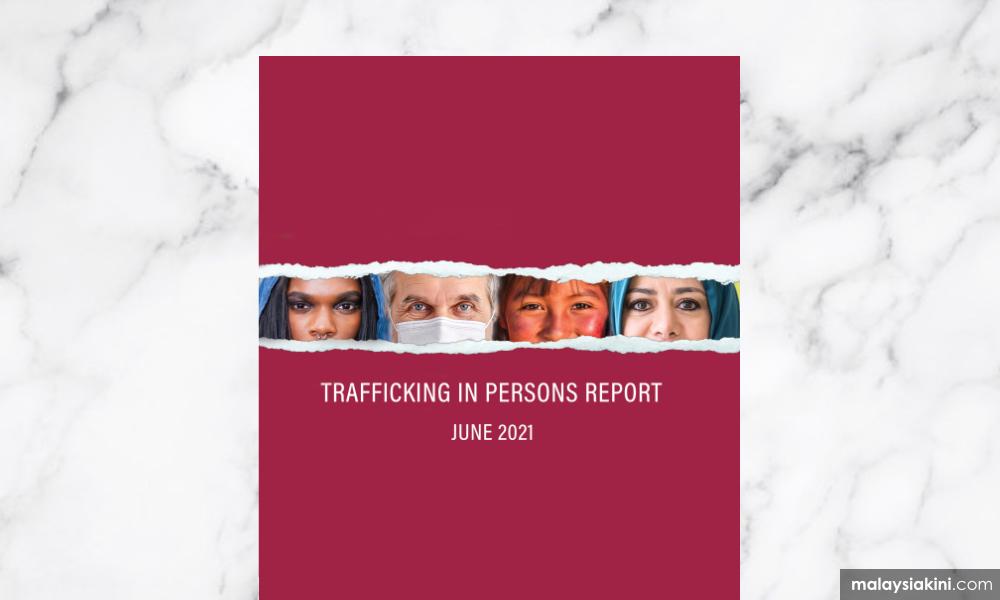
A segment of employers accused of human trafficking crimes were instead probed and charged under Malaysian immigration or labour laws, according to the US State Department Trafficking (TIP) in Persons 2021 report.
Malaysia was downgraded to Tier 3 - the lowest status which carries potential restrictions to US aid - after three years of being on the Tier 2 watchlist.
Among sectors in the spotlight include the rubber-product manufacturing sector and palm oil plantations, both of which had products banned by the US Customs and Border Protection over suspicions of being produced...
A segment of employers accused of human trafficking crimes were instead probed and charged under Malaysian immigration or labour laws, according to the US State Department Trafficking (TIP) in Persons 2021 report.
Malaysia was downgraded to Tier 3 - the lowest status which carries potential restrictions to US aid - after three years of being on the Tier 2 watchlist.
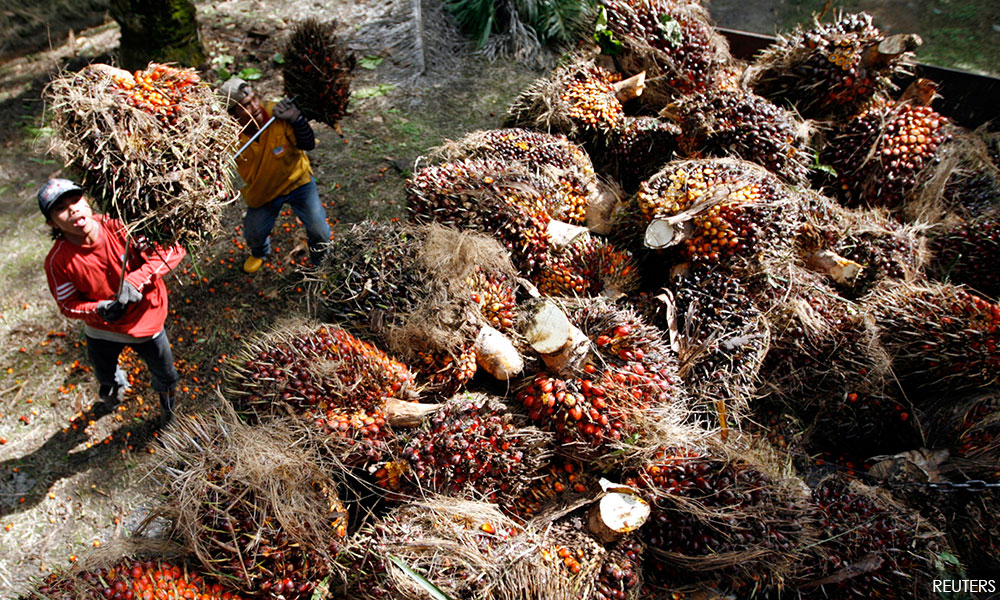
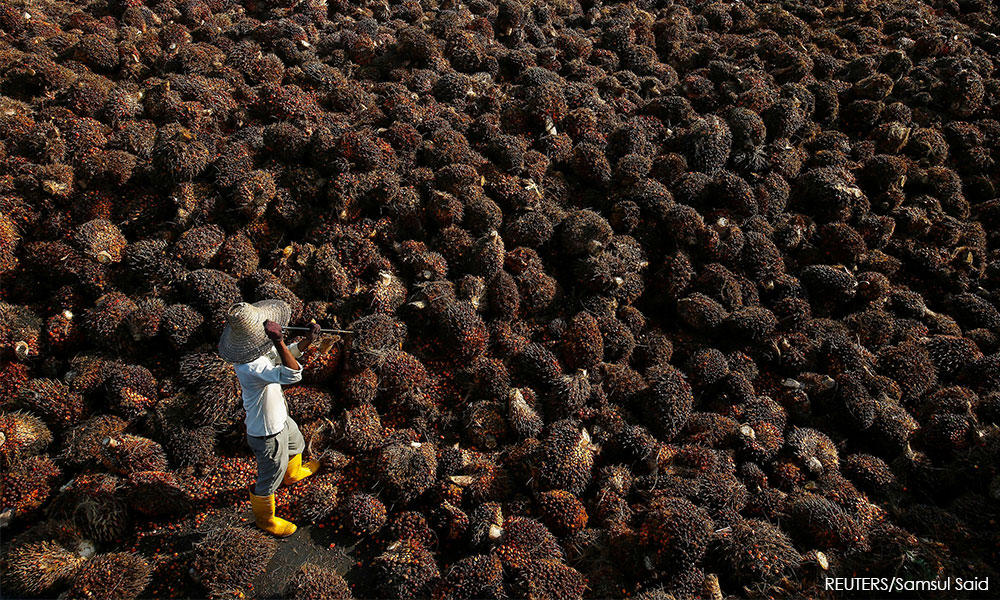
Among sectors in the spotlight include the rubber-product manufacturing sector and palm oil plantations, both of which had products banned by the US Customs and Border Protection over suspicions of being produced in part or whole with forced labour elements.
This year's report covers a period from April 1 last year until March 31.
"The government sometimes pursued cases of forced labour as disparate labour law violations instead of criminal cases of human trafficking or failed to investigate them at all," according to the report released in Washington yesterday.
For example, the report stated the government convicted 26 individuals for withholding passports of employees under the Passport Act of 1966, but there was no information on any sentencing details for those convicted.
It said the government also did not prosecute or convict the individuals for potential trafficking crimes.
Furthermore, the Labour Department initiated 57 investigations against employers in the rubber-product manufacturing sector to confirm compliance with housing laws, but it did not investigate these allegations as potential trafficking crimes.
Last July, a trade union activist hit out at Human Resources Minister M Saravanan's statement that there were no forced labour elements found based on Labour Department investigations against Top Glove, the world's largest rubber glove manufacturer.
Labour Law Reform Coalition (LLRC) chairperson N Gopalkishnam at the time maintained that cramped living conditions, as exposed by a UK's Channel 4 investigation, were an indicator of forced labour.
ALSO READ: Forced labour caused Malaysia's downgrade in US human trafficking report
The TIP report cited multiple charges filed against at least two major rubber glove manufacturers under the Worker’s Minimum Standards of Housing and Amenities Act (Act 446) for inhumane living conditions in migrant workers’ dormitories.
"However, the government did not report investigating or prosecuting these companies for human trafficking crimes despite credible evidence of debt-based coercion," it said.
Aside from rubber-product industries, it was stated that the government did not initiate investigations into two Malaysian companies in the palm oil sector for forced labour allegations that occurred during the reporting period.
US State Department’s Office to Monitor and Combat Trafficking in Persons acting director Kari Johnstone in a press briefing from Washington earlier today said elements of forced labour were found in sectors including palm oil and agriculture plantations, construction, as well as manufacturing.
Other areas of concern highlighted include inappropriate burden placed on victims identified as potential witnesses to a trafficking crime, further impacting the success of a prosecution.
Overall, the report noted that Malaysian authorities had from April 2020 to March this year, conducted 118 total human trafficking investigations and – of these cases – referred 52 suspected sex trafficking cases and 57 suspected labour trafficking cases to the attorney-general for prosecution.
Of the figure, the report stated that 79 alleged traffickers were charged, and 25 were convicted.
The figure was lower compared with 277 investigations (80 of which involved forced labour), 20 prosecutions and 20 convictions during the previous reporting period.


Are you sure you want to delete this comment?
This action cannot be undone.